AI Transition
18 bridge articles mapping software engineering experience onto the AI landscape. Each article takes one AI domain — from RAG pipelines to agent orchestration — and shows which developer instincts still work, which silently fail, and what you need to learn from scratch. Written by MAX for backend developers, SREs, and data engineers who build in production, not in notebooks.
- Home /
- AI Transition
AI in the Developer Workflow: What Transfers and What Breaks
A test failed in your pipeline at 2 a.m. An AI classifier looked at it, labeled the failure flaky, …
Agentic Coding for Developers: What Transfers, What Doesn't
Friday’s standup. The ticket reads “refactor the auth module to support OIDC.” You …
AI Coding Assistants for Developers: What Transfers, What Breaks
AI coding assistants did not arrive as one product. They arrived as six. Map which classical SW habits still apply and …
Agent Capabilities for Developers: What Maps and What Breaks
Your team wired a coding agent into the CI runner four months ago. The demo PR merged in ninety …
Agent Reliability for Engineers: What SRE Habits Map and Break
Agent reliability looks like SRE work until the first incident. Map which classical instincts still help and which ones …
AI Agent Architecture for Developers: What Transfers, What Breaks
Build an agent for a real service and three layers fail at once — state, memory, planning. Map what classical …
Knowledge Retrieval for Engineers: What Transfers, What Breaks
Knowledge retrieval looks like ETL plus a vector store. Map old data-engineering instincts onto graph RAG, parsers, and …
RAG Quality for Developers: What Testing Instincts Still Apply
RAG quality looks like a test pass. It isn't. Map your testing instincts onto faithfulness, grounding, and guardrails — …
RAG Pipelines for Developers: What Maps from Search, What Breaks
RAG looks like search plus an LLM. It isn't. Map classical search-engineering instincts onto the five-component pipeline …
AI Image Stacks for Developers: What Maps and What Breaks
Image generation, editing, upscaling, and cutouts mapped for software developers. Learn what gateway instincts transfer …
Beyond Transformers for Developers: What Maps and What Breaks
A bridge for developers hitting MoE, state space, and multimodal anomalies in 2026. Which software instincts still work, …
Neural Network Architectures for Developers: What Maps and What Breaks
Neural network architectures for developers. Which software instincts transfer to CNNs, RNNs, and transformers, and …
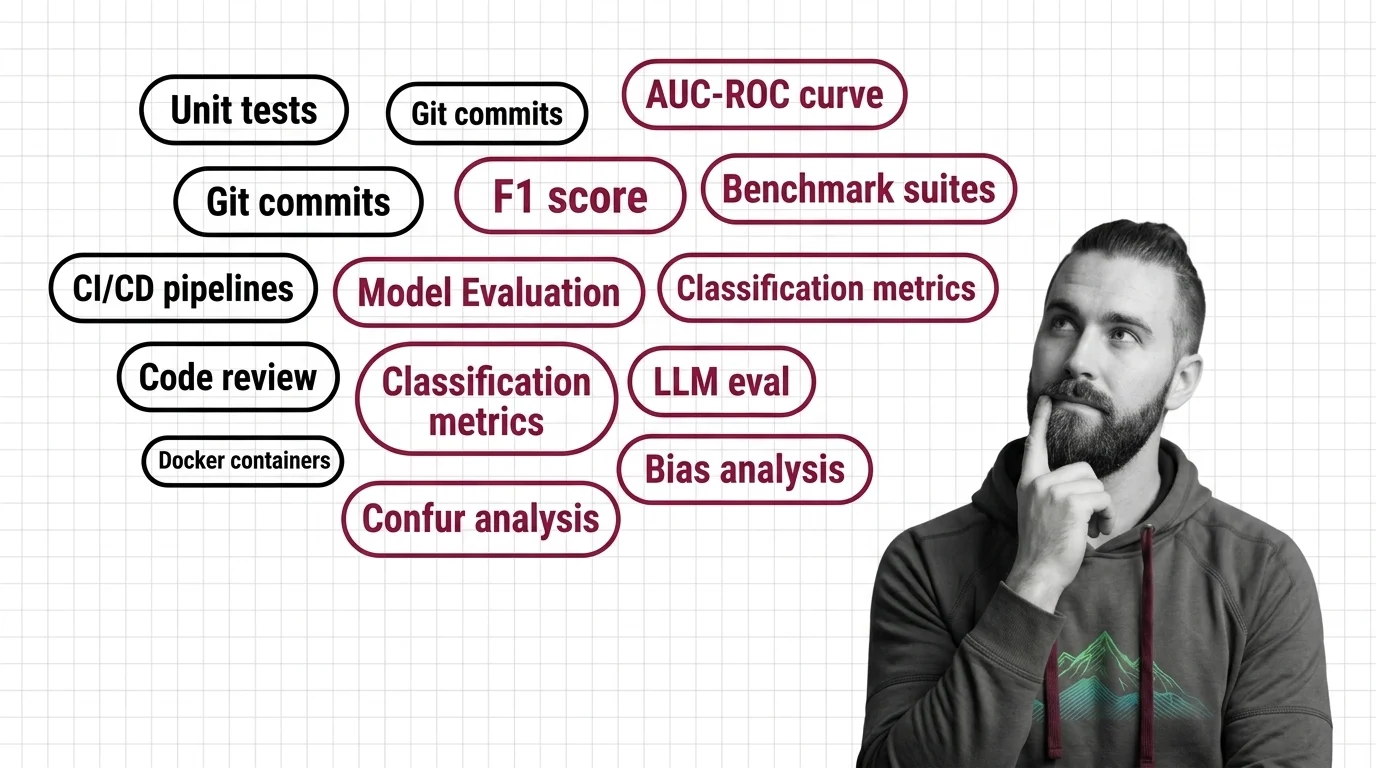
Model Evaluation for Developers: What Maps and What Misleads
Model evaluation mapped for backend developers. Learn which testing instincts transfer to LLM benchmarks, where scores …
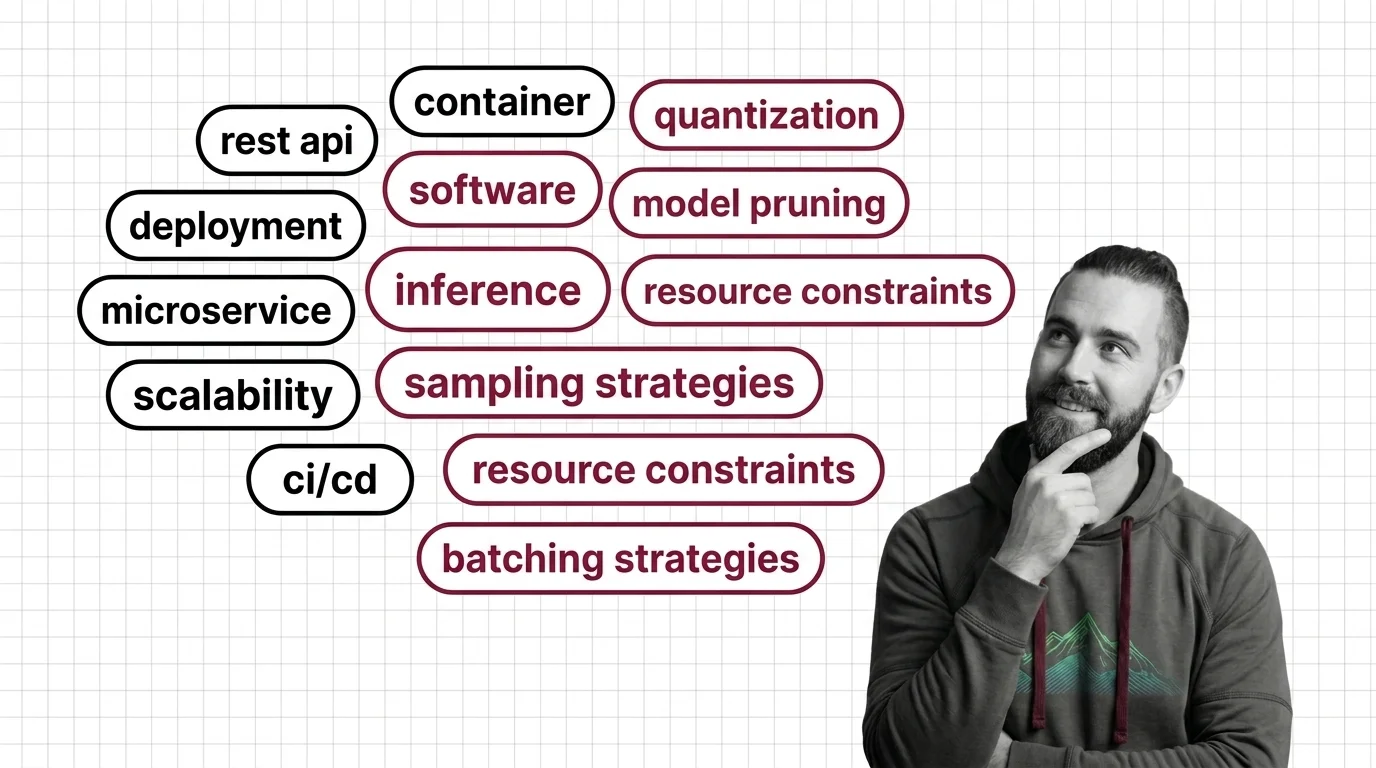
Inference Optimization for Developers: What Transfers and What Breaks
LLM inference breaks your cost model, scaling instincts, and test expectations. Learn what transfers from backend …
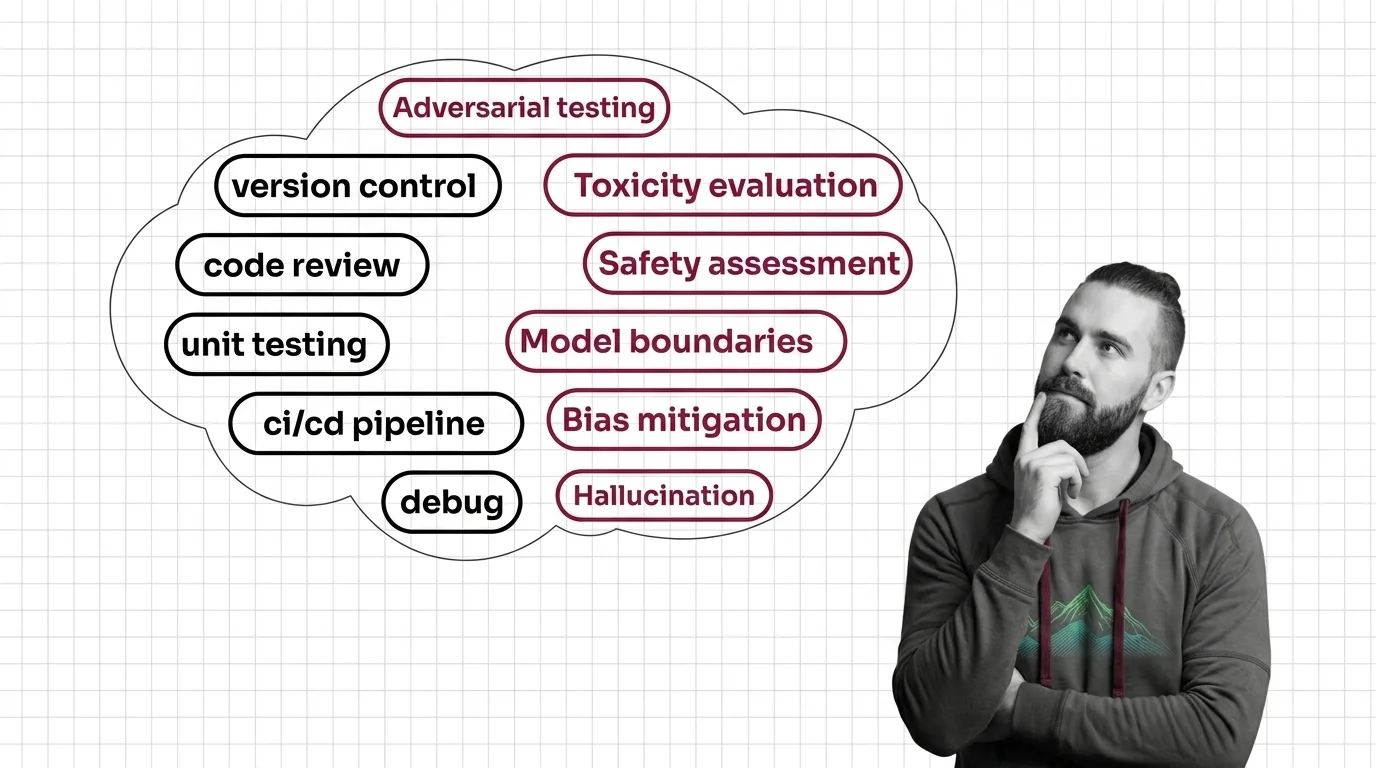
AI Safety Testing for Developers: What Maps and What Breaks
AI safety testing breaks classical software assumptions. Learn what transfers from your security playbook, where testing …
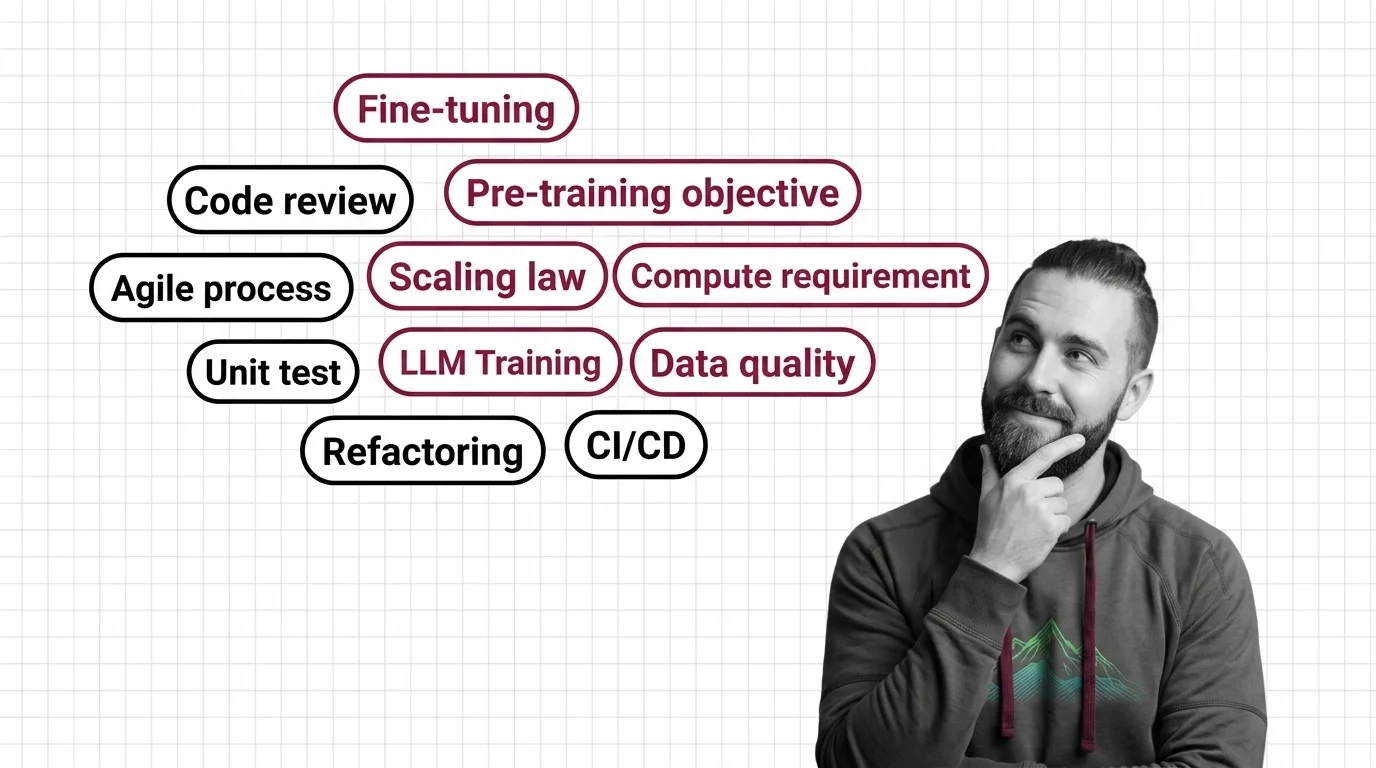
LLM Training for Developers: Which Instincts Help, Which Mislead
LLM training mapped for software developers. Learn which build-pipeline instincts transfer to pre-training, fine-tuning, …
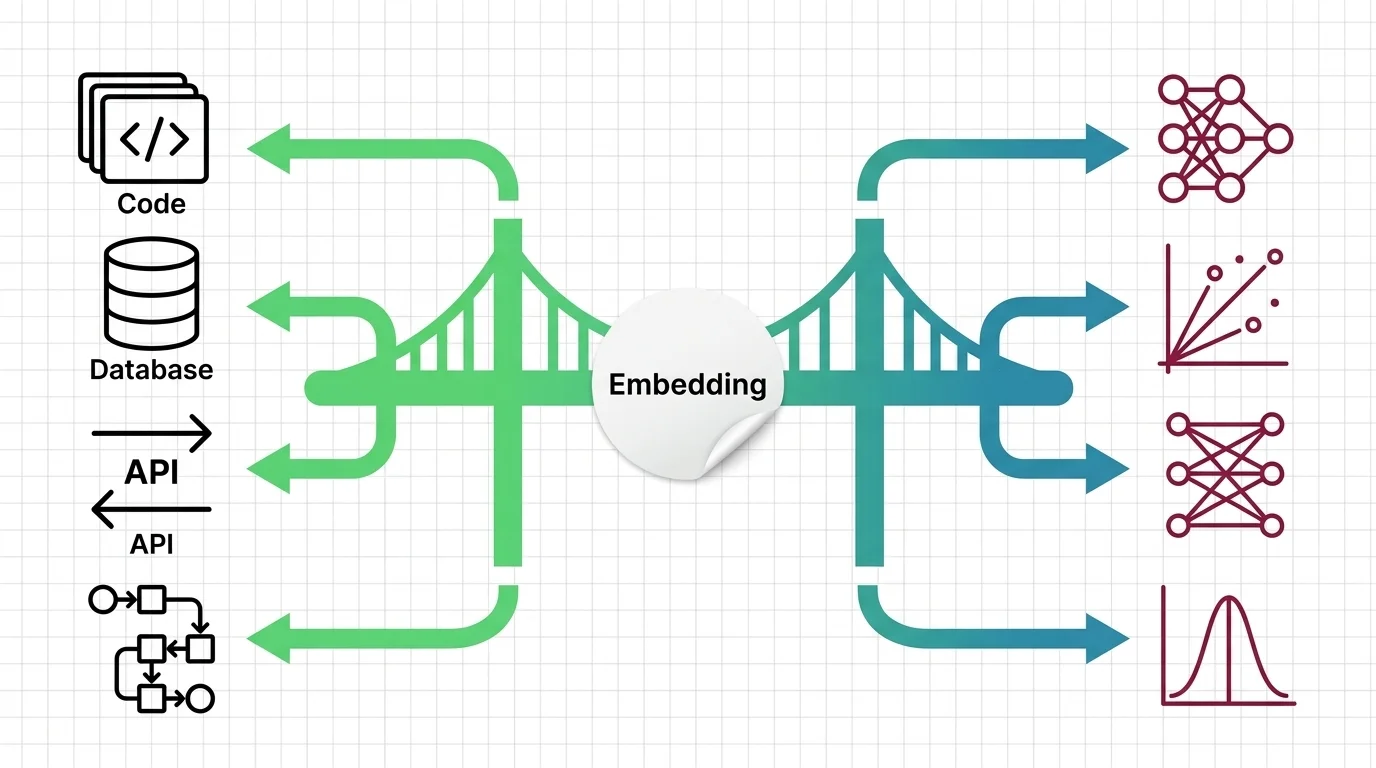
Vector Search for Developers: What Transfers and What Breaks
Vector search mapped for backend developers. Learn which database instincts transfer, where approximate results break …
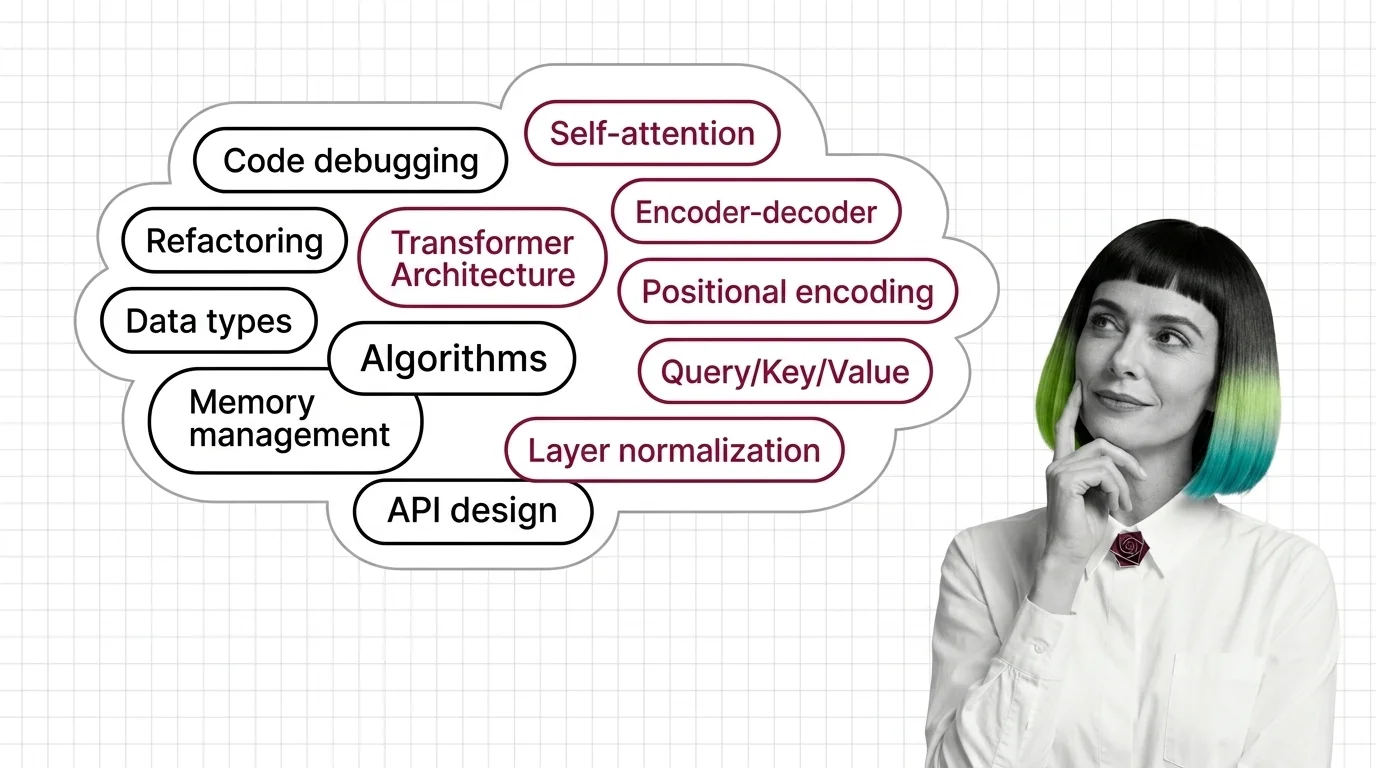
Transformer Internals for Developers: What Maps, What Breaks
Transformer internals mapped for backend developers. Learn which service-architecture instincts still apply, where …
About AI Transition
Bridge articles are not beginner tutorials and not academic surveys. They are orientation maps for experienced software developers who already ship production systems and now need to understand where AI changes the rules.
Every bridge article follows the same structure: take a specific AI domain, identify what transfers from classic software engineering, name what breaks, and map the concepts you need to learn in order of practical impact. The starting point is always your existing knowledge — design patterns, observability, testing, deployment — not a blank slate.
What each bridge article covers
Every bridge article takes one AI topic cluster — from RAG pipelines to agent orchestration to generative media — and maps it against the engineering discipline closest to it: data engineering, distributed systems, DevOps, or API design. You get three things: what transfers directly, what silently breaks, and what you need to learn from scratch. Browse the articles below to find the domain closest to your current work.
Q: Who are bridge articles for? A: Software developers with production experience — backend engineers, SREs, data engineers, platform teams — who are moving into AI-related work. Bridge articles assume strong programming skills and systems thinking, but no prior AI or ML background.
Q: How are bridge articles different from tutorials? A: Tutorials teach you how to call an API. Bridge articles tell you which of your existing engineering instincts will help, which will actively mislead you, and what new mental models you need. They are strategic orientation, not step-by-step instructions.
Q: Where should I start reading? A: Start with the domain closest to your current work. If you build data pipelines, start with RAG & Semantic Search. If you run infrastructure, start with AI Agents & Orchestration or LLMOps. Each article is self-contained — there is no required reading order.
Q: Will more topics be added? A: Yes. New bridge articles are published with every content cycle as our topic cluster coverage expands. Each new cluster that is relevant to the developer transition gets its own bridge article.